Why Logistics Owners Hesitate on Automation
For many logistics business owners, automation feels like a big leap – expensive, complex, and risky. You're juggling vehicles, staff, clients, and deadlines. The idea of adding "digital transformation" to that list can sound like a distraction you can't afford.
But what if automation didn’t require a massive system overhaul? What if it could start small – with clear ROI, and grow only as your business is ready?
Let’s break down how logistics companies can move toward automation in manageable, strategic steps.
Start with What Hurts the Most
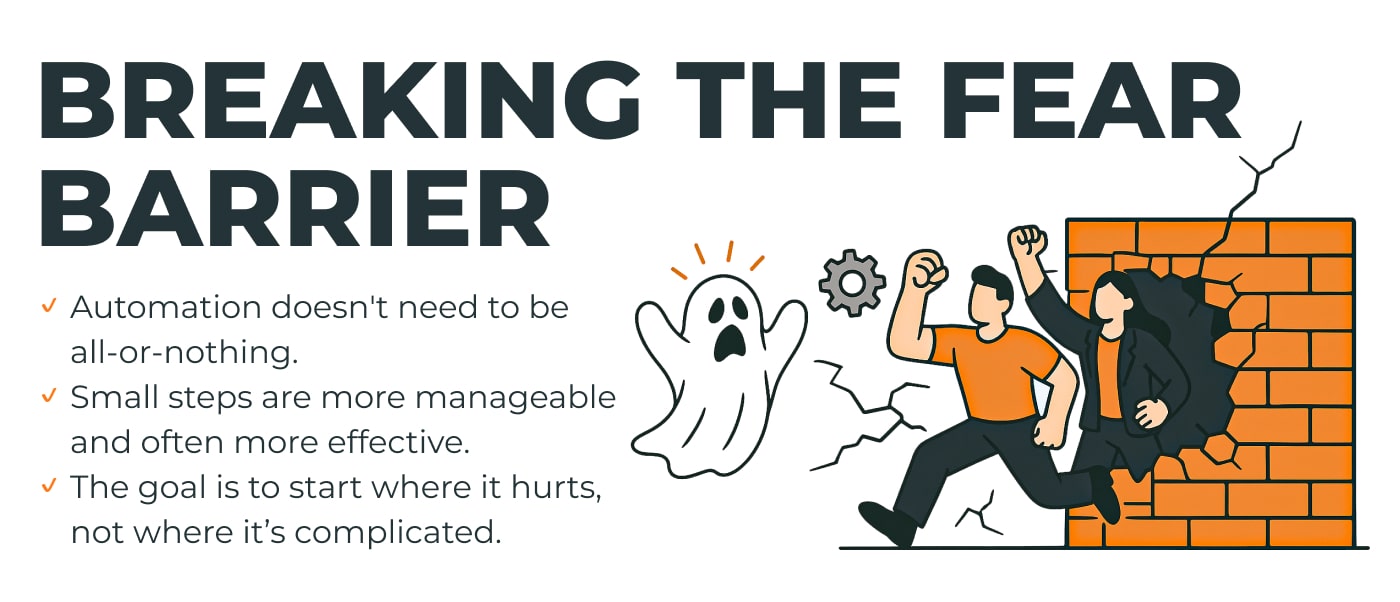
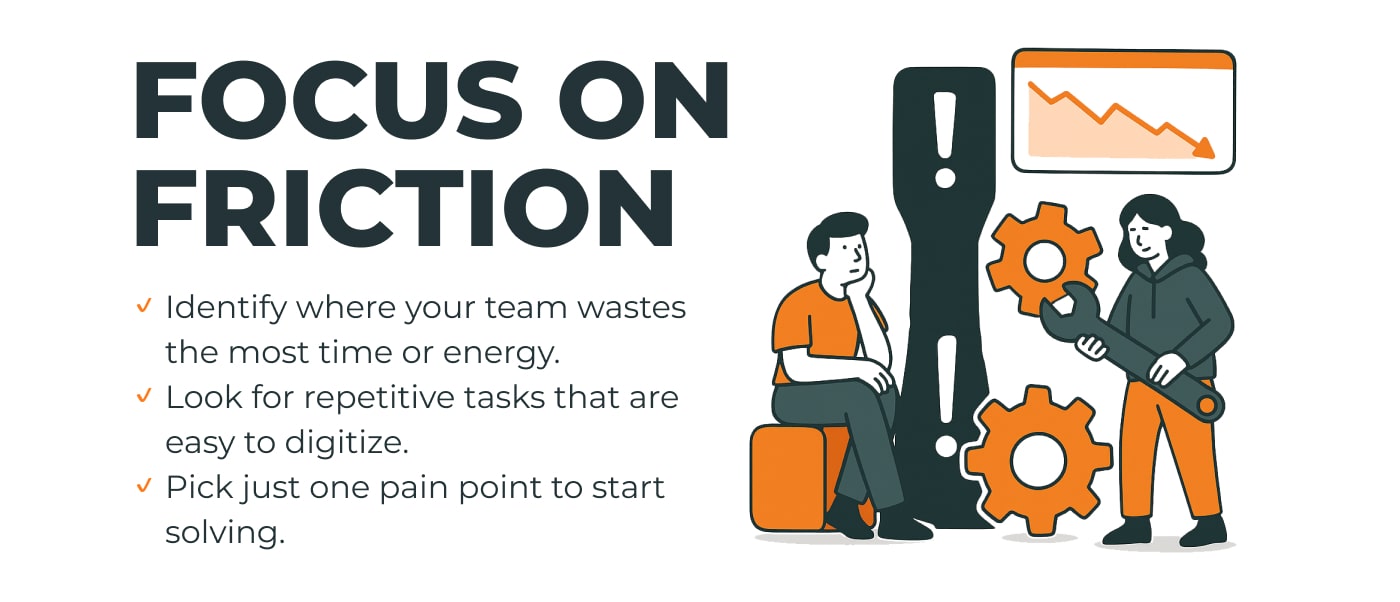
The best place to begin is not with technology – but with pain points.
Where is your team losing time, making mistakes, or handling repetitive tasks that don't add value?
Here are common bottlenecks many logistics companies face:
- Manually creating and sending invoices
- Inefficient route planning or outdated dispatch tools
- Constant client calls asking “Where’s my shipment?”
- Paper-based records for deliveries and signatures
Choose one area that causes daily friction. That’s your automation starting point.
3 Automation Solutions to Start With
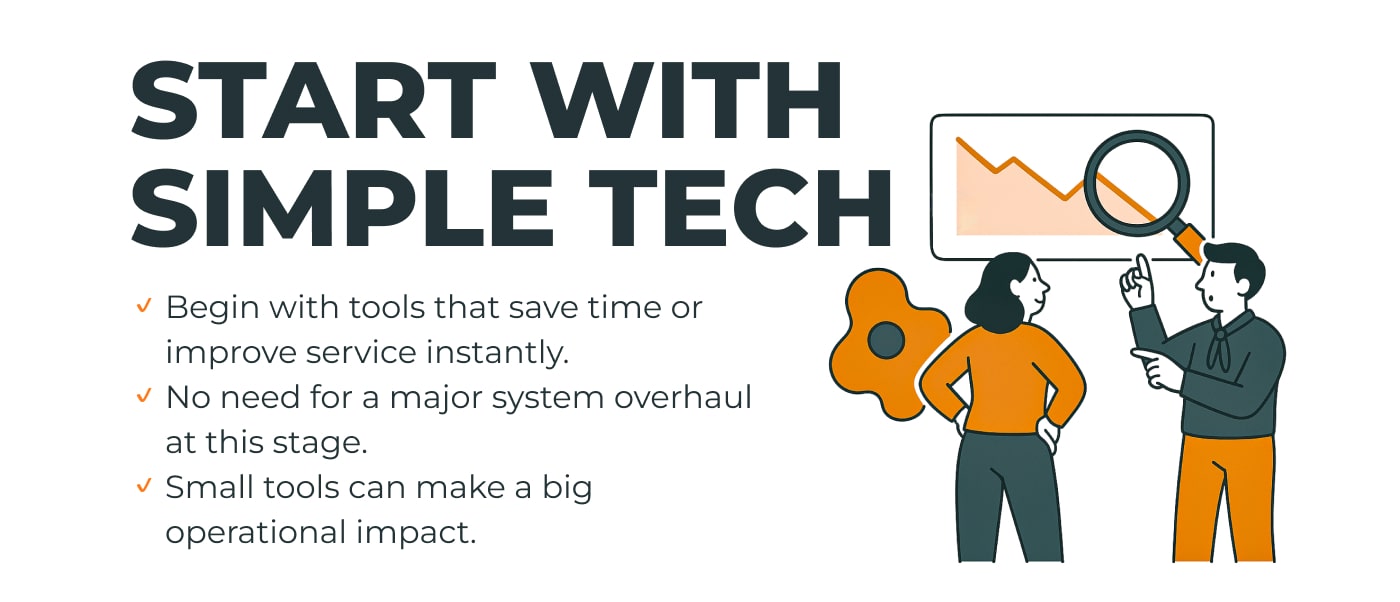
You don’t need a million-dollar software to start seeing results. Here are three automation tools that are low-risk, and high-impact:
- Auto-Invoicing. Software for automatically generating and sending invoices based on delivery completion. This reduces human error and gets you paid faster.
- Route Optimization. Use real-time data to calculate the most efficient delivery routes, cutting fuel costs and saving time.
- Customer Notifications. Set up automatic SMS/email updates to notify clients when shipments are out for delivery or delayed – freeing your team from constant status calls.
Each of these solves a single problem well. Together, they start to shape a more efficient workflow.
How to Scale from Simple Tools to a Fully Automated System
Once you see success from your early wins, it’s time to think bigger – but still in steps.
Here’s how to scale:
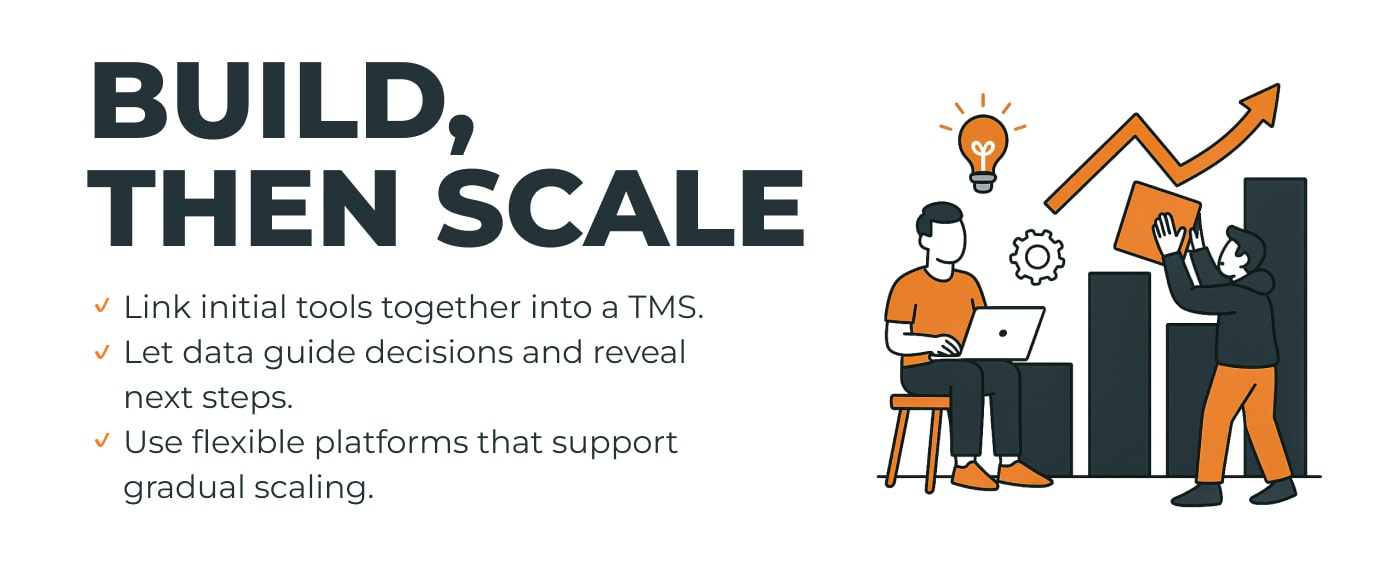
- Connect Your Tools. Link invoicing, dispatch, and tracking through a basic TMS (Transportation Management System) or ERP integration. This reduces data duplication and centralizes control.
- Use Data to Predict and Optimize. Start gathering performance metrics (e.g., delivery times, fuel use, delays) to forecast demand, adjust fleet schedules, and manage overtime.
- Automate Warehousing. If applicable, look into barcode scanning, or digital inventory systems.
- Choose Modular Platforms. As your tech stack grows, opt for platforms that can scale with you – adding features like driver management, customer portals, or AI-based forecasting only when you need them.
The key is to build confidence.
Build a Smart, Scalable Logistics Operation. One Step at a Time
Automation doesn’t have to be overwhelming. You don’t need to digitize everything at once or disrupt your business to compete.
By starting with small, practical solutions to your biggest pain points, you’ll see real improvements fast. Over time, these wins connect into a streamlined, efficient system that helps you scale, serve clients better, and stand out in a crowded market.
The most successful logistics companies in 2025 aren’t the ones that automated the fastest – they’re the ones that automated the smartest.
Ready to Make Your Logistics More Profitable?
Leave a request now, and we will conduct an audit of your logistics system!